The Department of Reproductive Biotechnology and Cryoconservation at the National Research Institute of Animal Production (NRIAP) has entered the next phase of a research project investigating the use of a bi-transgenic porcine in vivo model to evaluate the biocompatibility of newly developed biomaterials intended for the manufacture of mesh implants used in the surgical treatment of pelvic organ prolapse (POP).
Pelvic organ prolapse is a condition affecting millions of women worldwide. In many cases, surgical repair using mesh implants is an effective treatment option. However, conventional mesh implants may lead to serious complications resulting from the recipient’s immune response to the implanted material. For this reason, there is a growing need to develop new biomaterials with enhanced biocompatibility, appropriate mechanical properties, and the ability to integrate effectively with host tissues.
The safety assessment of novel biomaterials requires an animal model that closely reflects human physiological conditions. In this project, the research team uses bi-transgenic pigs expressing the human α-galactosidase A (hGLA) gene while lacking the GGTA1 gene, which encodes porcine α-1,3-galactosyltransferase. These genetic modifications reduce the expression of α-Gal epitopes, making the pigs’ immune response more comparable to that of humans. Consequently, this model provides conditions that closely resemble the intended clinical application of mesh implants in patients.
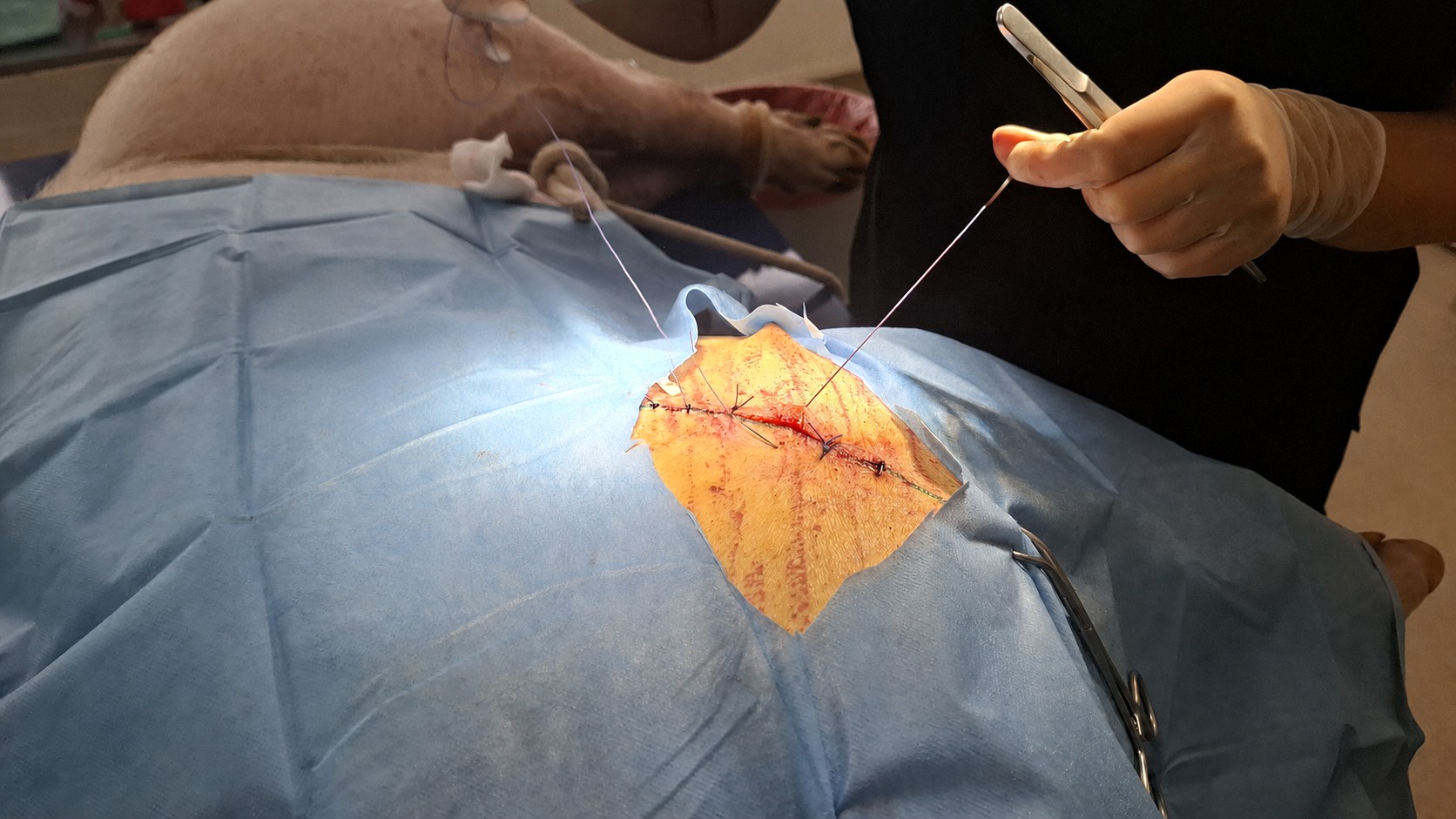
The study includes implantation of prototype mesh materials, monitoring of the healing process, evaluation of the host immune response, assessment of implant integration with surrounding tissues, and detailed histopathological analyses. The results will enable the identification of the biomaterial with the highest level of biocompatibility and the greatest potential for future clinical application.
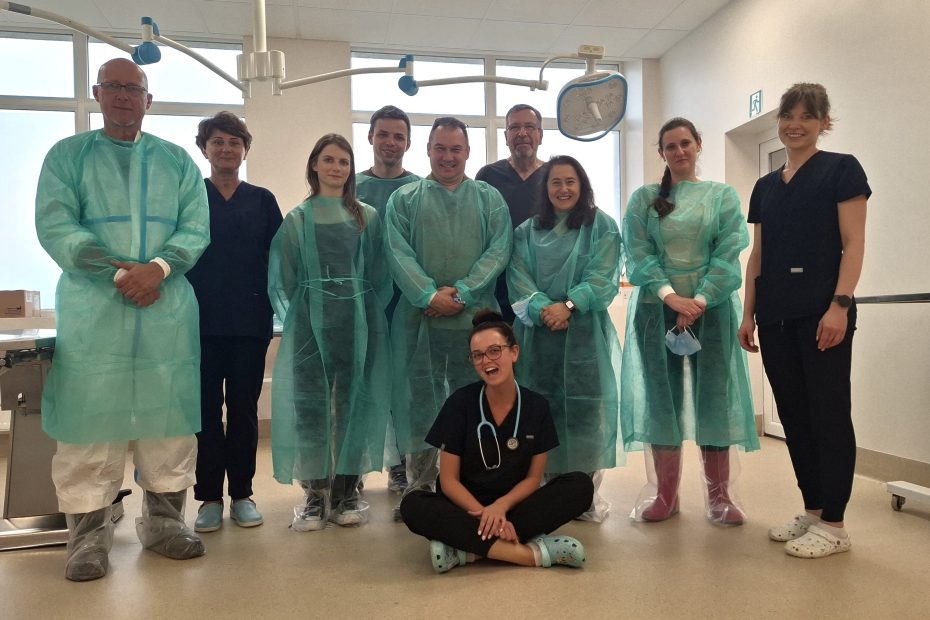
The project is being carried out in collaboration with the Electrospun Fibers Group at AGH University of Krakow, the Department of Medical Biochemistry of the Jagiellonian University Medical College, and the Department of Gynaecology and Obstetrics of the Jagiellonian University Medical College. This interdisciplinary partnership, bringing together specialists in materials engineering, biology, medicine, and veterinary science, enables a comprehensive evaluation of novel biomaterials—from their design and physicochemical characterisation to preclinical assessment of their potential clinical use.
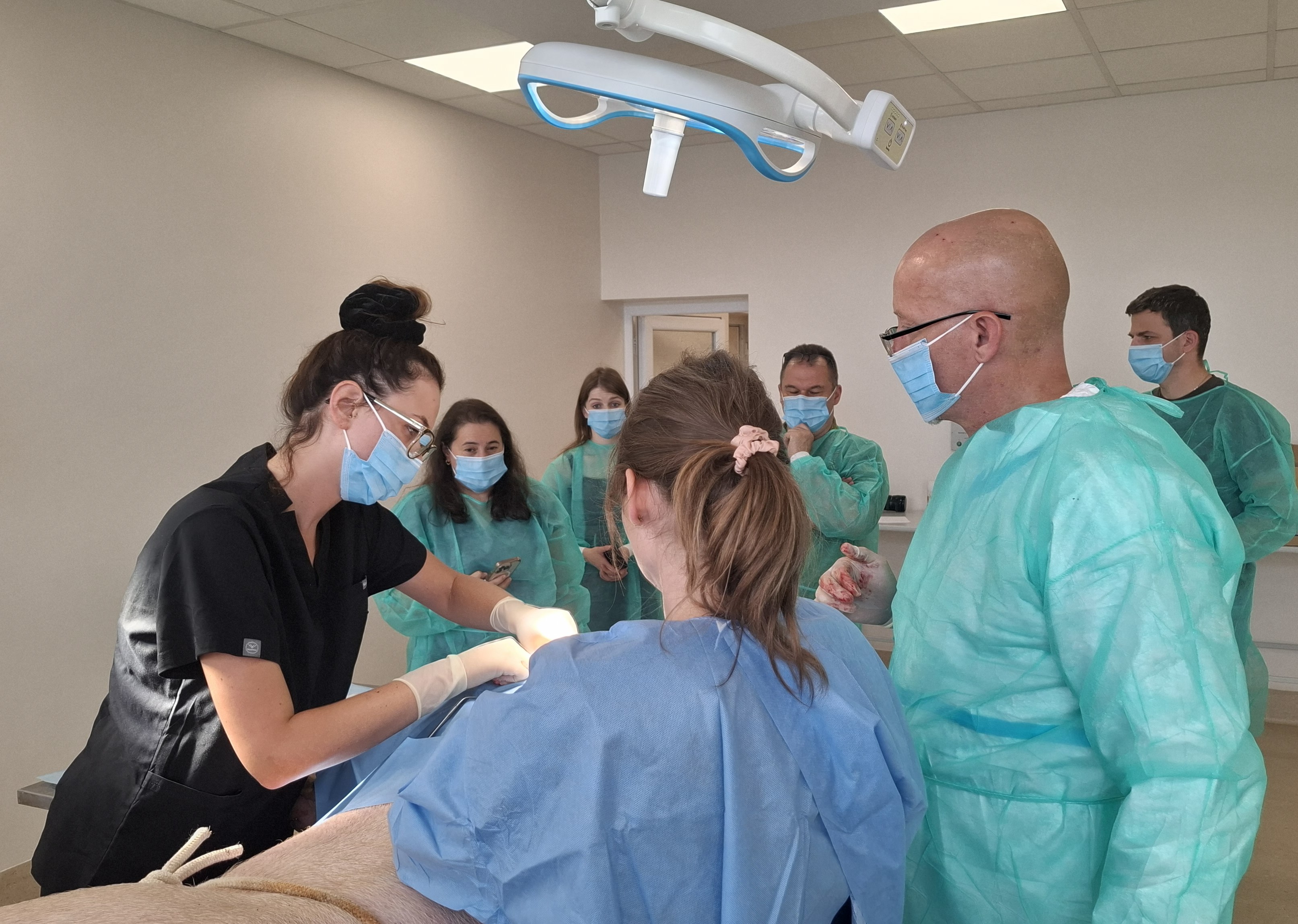
The latest stage of the project was conducted at the Żerniki Wielkie Experimental Station Ltd. of the National Research Institute of Animal Production, where the interdisciplinary research team implanted the prototype mesh materials and initiated the next phase of in vivo biocompatibility assessment.
The research team extends its sincere appreciation to Dr Dominika Szkopek-Zaworska and Dr Adam Bardon, DVM, for their valuable support and assistance during the surgical procedures.