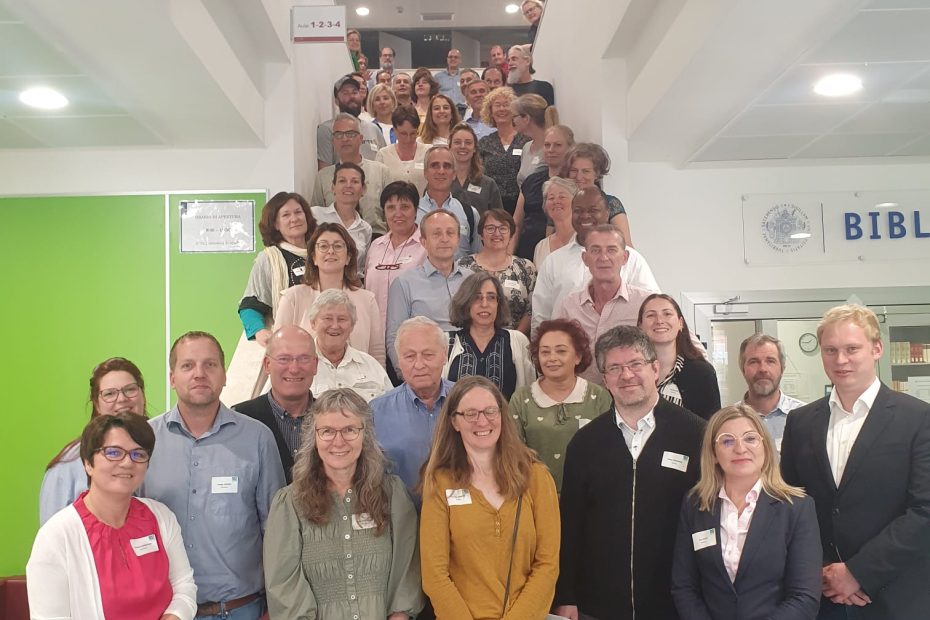
The ERFP Working Group Meetings were held in Sassari, Sardinia (Italy), from 18 to 20 May 2026, bringing together experts involved in the activities of the European Regional Focal Point for Animal Genetic Resources (ERFP).
The primary mission of the ERFP is to facilitate cooperation and promote the exchange of knowledge and experience among European countries in the conservation of animal genetic resources, supporting the implementation of the FAO Global Plan of Action for Animal Genetic Resources.
The meetings were organised within the framework of three Working Groups: In Situ Conservation, Ex Situ Conservation, and Documentation and Information. Representing the National Research Institute of Animal Production (NRIAP) were Dr Eng. Agnieszka Chełmińska (In Situ Conservation Working Group), Dr Eng. Ewa Sosin, Chair of the Ex Situ Conservation Working Group, and MSc Eng. Beata Smulska (Documentation and Information Working Group).
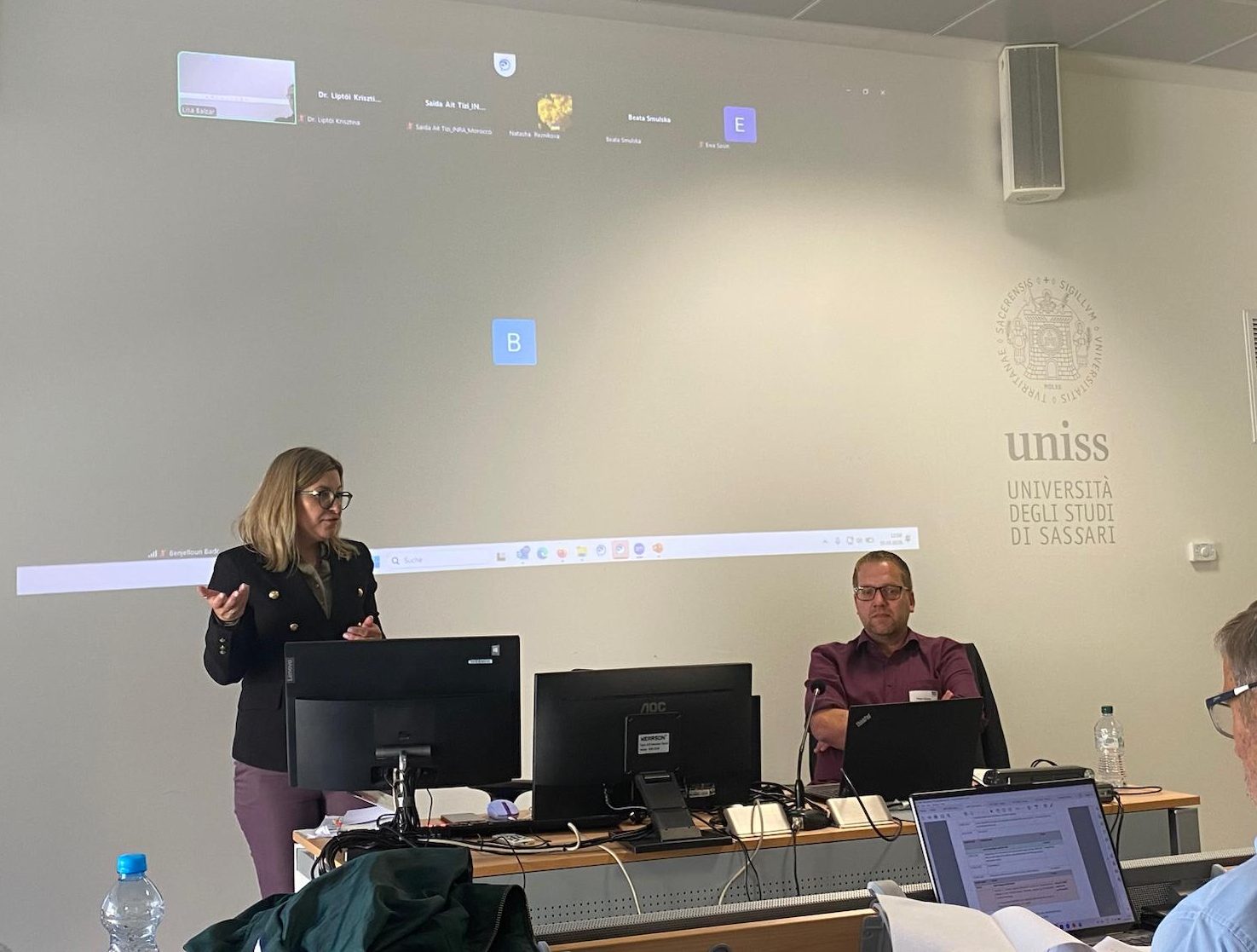
In Situ Conservation Working Group
The In Situ Conservation Working Group addressed the key issues related to the conservation and sustainable management of animal genetic resources, including:
- discussions on the activities of the ad hoc Working Group focusing on the role of animal genetic resources in landscape management and the provision of ecosystem services;
- consideration of how the management and conservation of animal genetic resources can be better integrated into national legislation and policy frameworks;
- comparison of in situ conservation programmes and their implementation across different European countries;
- exchange of experience regarding emergency preparedness and response measures for endangered breeds in the event of outbreaks of transboundary and epizootic animal diseases;
- development of the 2026–2027 Work Plan, including proposals to strengthen the integration of in situ and ex situ conservation approaches for animal genetic resources.
Ex Situ Conservation Working Group
The Ex Situ Conservation Working Group reviewed the latest developments in ex situ conservation across Europe. Participants presented progress in establishing ex situ conservation programmes and developing the national gene bank in Greece, as well as the successful recovery of the endangered Spanish Cárdena Andaluza cattle breed.
Updates were provided on the development of the European Gene Bank Network for Animal Genetic Resources (EUGENA), including opportunities to expand the network by incorporating additional national gene banks.
The Working Group also discussed the progress of a newly launched ad hoc initiative aimed at establishing a common definition of ex situ in vivo gene banks within the EUGENA framework.
Further presentations focused on ongoing ad hoc activities addressing advances in cryopreservation technologies for reproductive material collected from pigs and horses, as well as the development of genomic databases to support gene bank collections.
Participants also exchanged knowledge on innovative biotechnologies for collecting post-mortem reproductive material and reproductive material from roosters, highlighting their potential applications in genetic resource conservation.
Particular attention was given to the animal health crisis in Cyprus, where the outbreak of foot-and-mouth disease (FMD) has reinforced the need for stronger conservation measures for endangered breeds.
The Working Group also reviewed the preparedness of national gene banks for emergency situations and discussed strategies to strengthen conservation infrastructure, drawing on recent experiences from Spain.
New Spanish regulations providing support for native livestock breeds were presented, followed by discussions on financial instruments supporting the conservation of animal genetic resources, including the establishment and expansion of national gene bank collections.
Finally, participants reviewed the implementation of the 2026–2027 Working Group priorities, identified new objectives, and agreed on a series of ad hoc activities to be undertaken during 2027–2028.
Documentation and Information Working Group (Docu & Info)
The Documentation and Information Working Group compared national experiences in the collection, management and exchange of data on Animal Genetic Resources (AnGR), with particular emphasis on DAD-IS, the FAO’s global information system for animal genetic resources.
Participants discussed approaches to the classification of transboundary breeds and worked on improving harmonised procedures for breed categorisation.
The Working Group also developed new tools within the DAD-IS platform to facilitate the preparation of annual national reports.
In addition, a workshop for representatives of Mediterranean countries addressed the current threats posed by foot-and-mouth disease (FMD) and sheep pox, together with recommended conservation measures for endangered livestock breeds under emergency conditions.
Strengthening European Cooperation
The ERFP Working Group Meetings provided an important forum for exchanging knowledge and best practices on the future of animal genetic resource conservation in Europe. Key topics included the closer integration of in situ and ex situ conservation strategies, further expansion of the EUGENA gene bank network, and improved preparedness of national gene banks for emergency situations.
As outbreaks of transboundary animal diseases become increasingly frequent, strengthening coordinated conservation efforts is essential to safeguard the genetic diversity of European livestock populations for future generations.