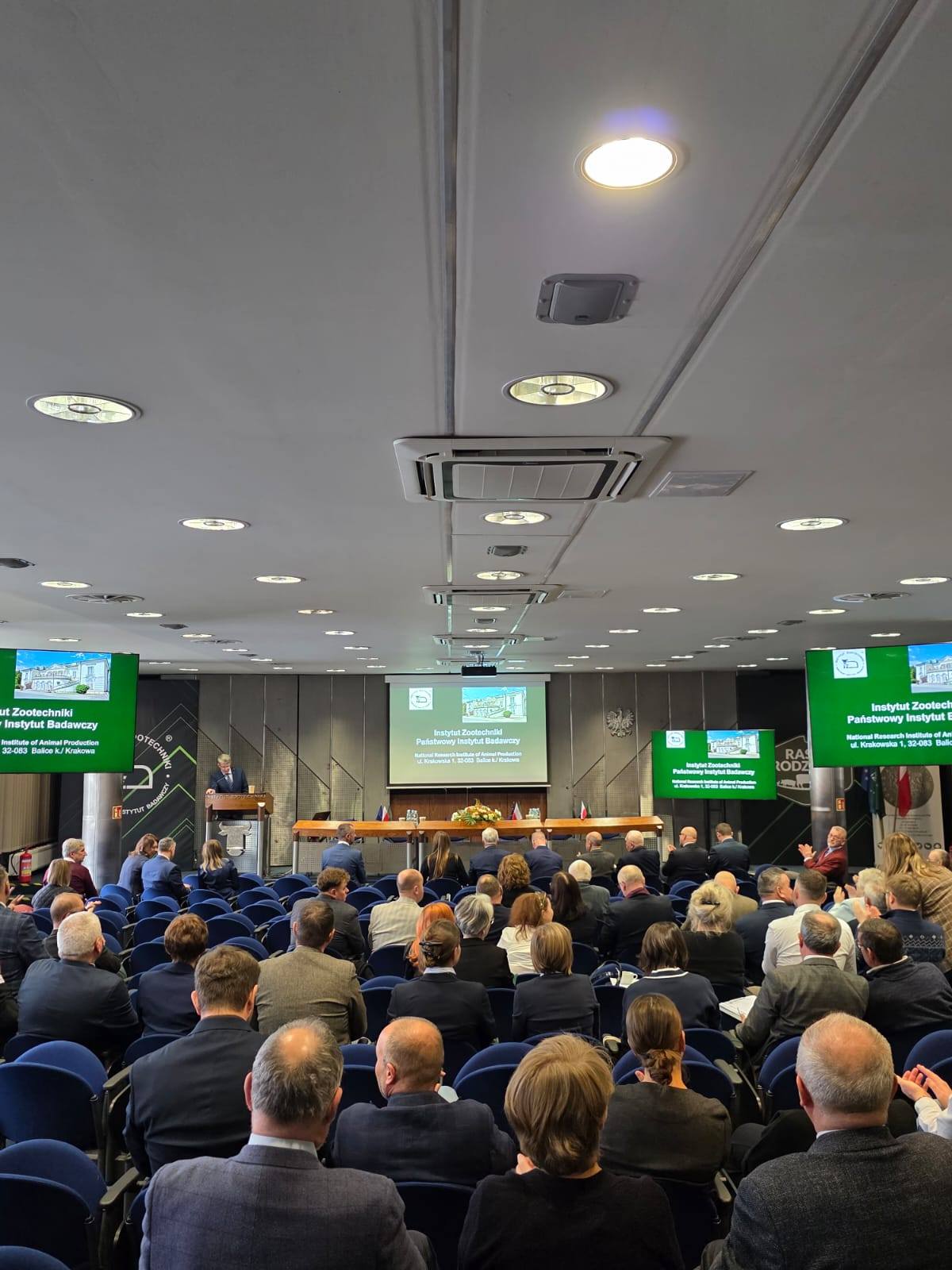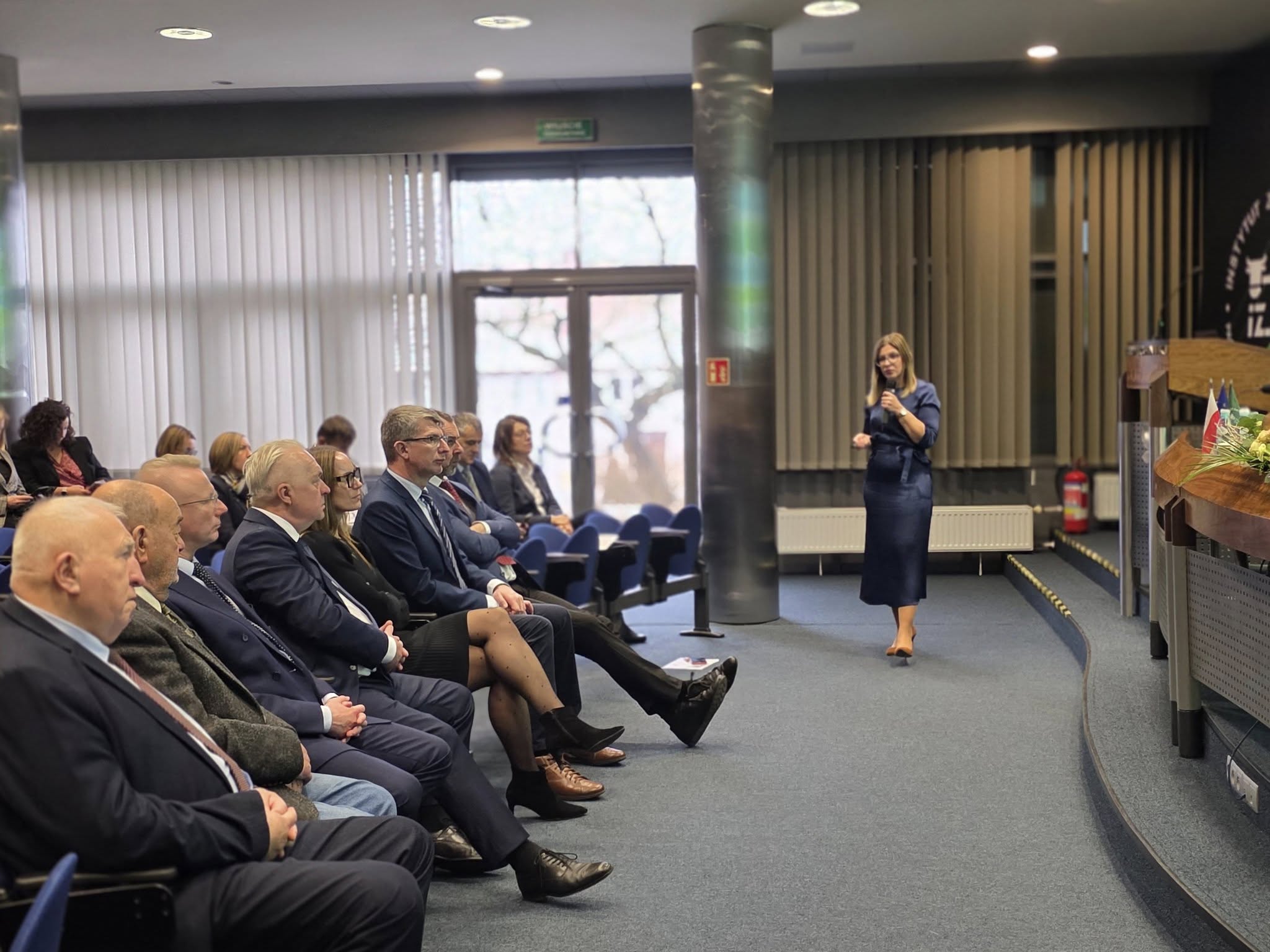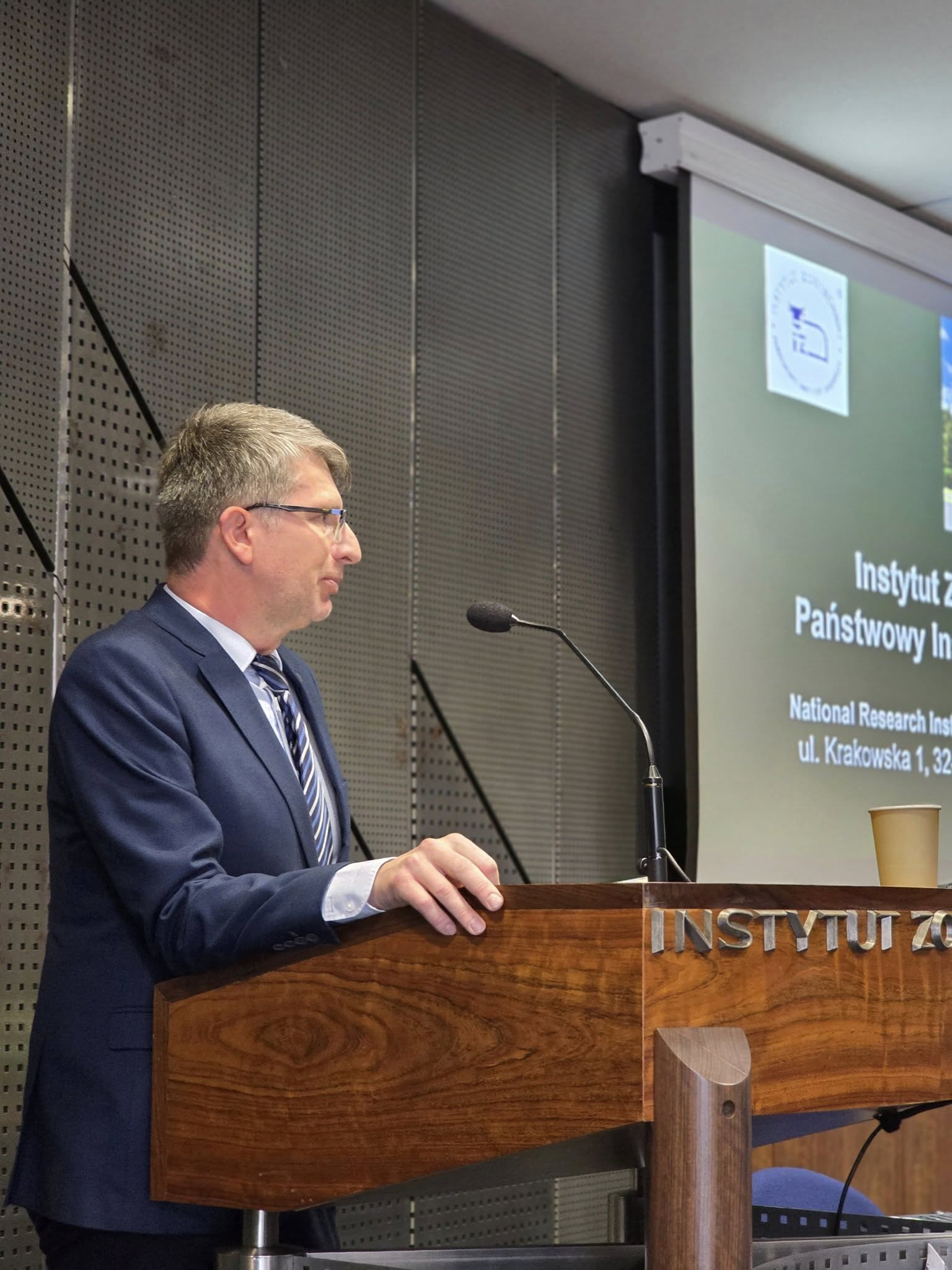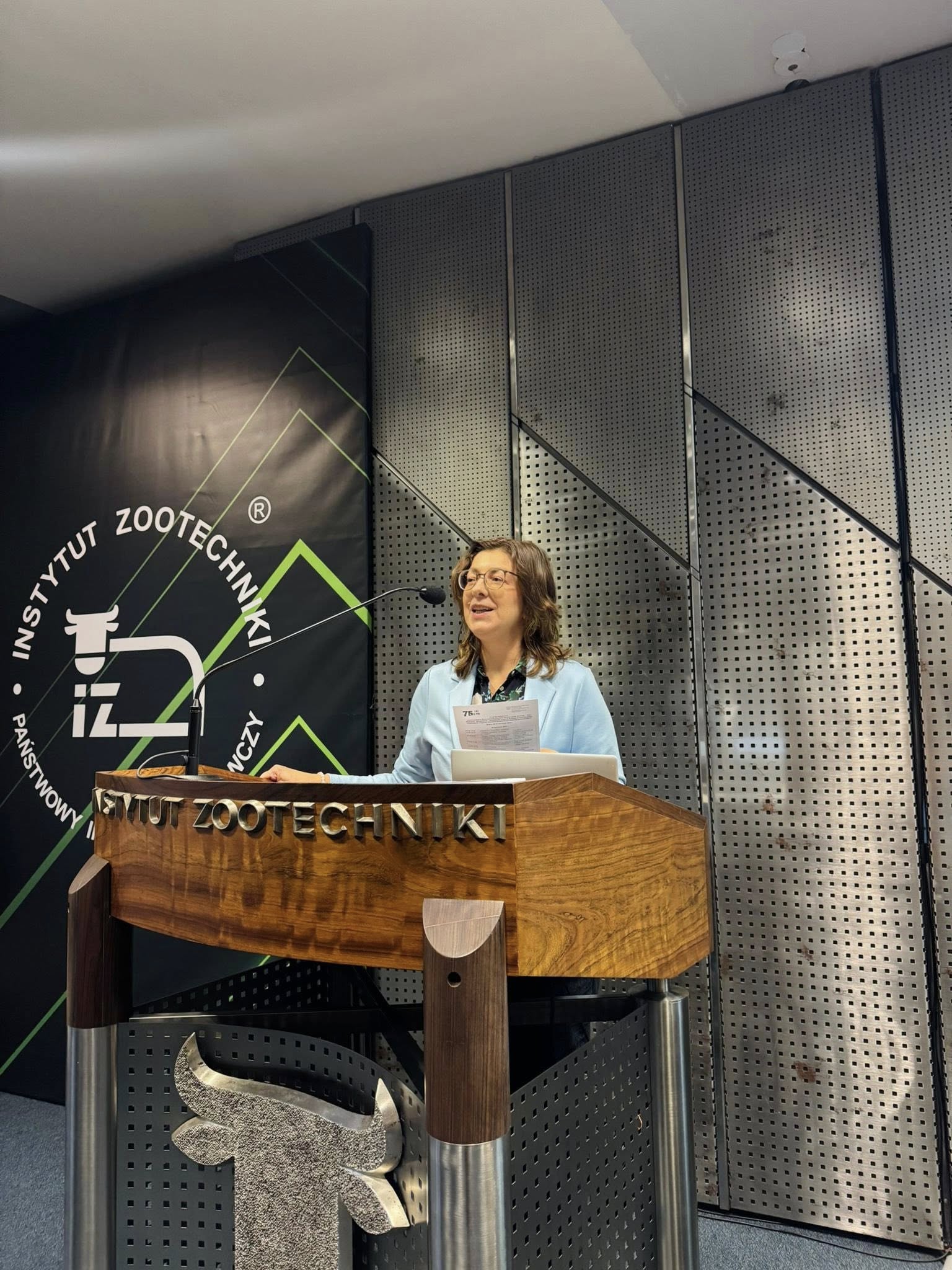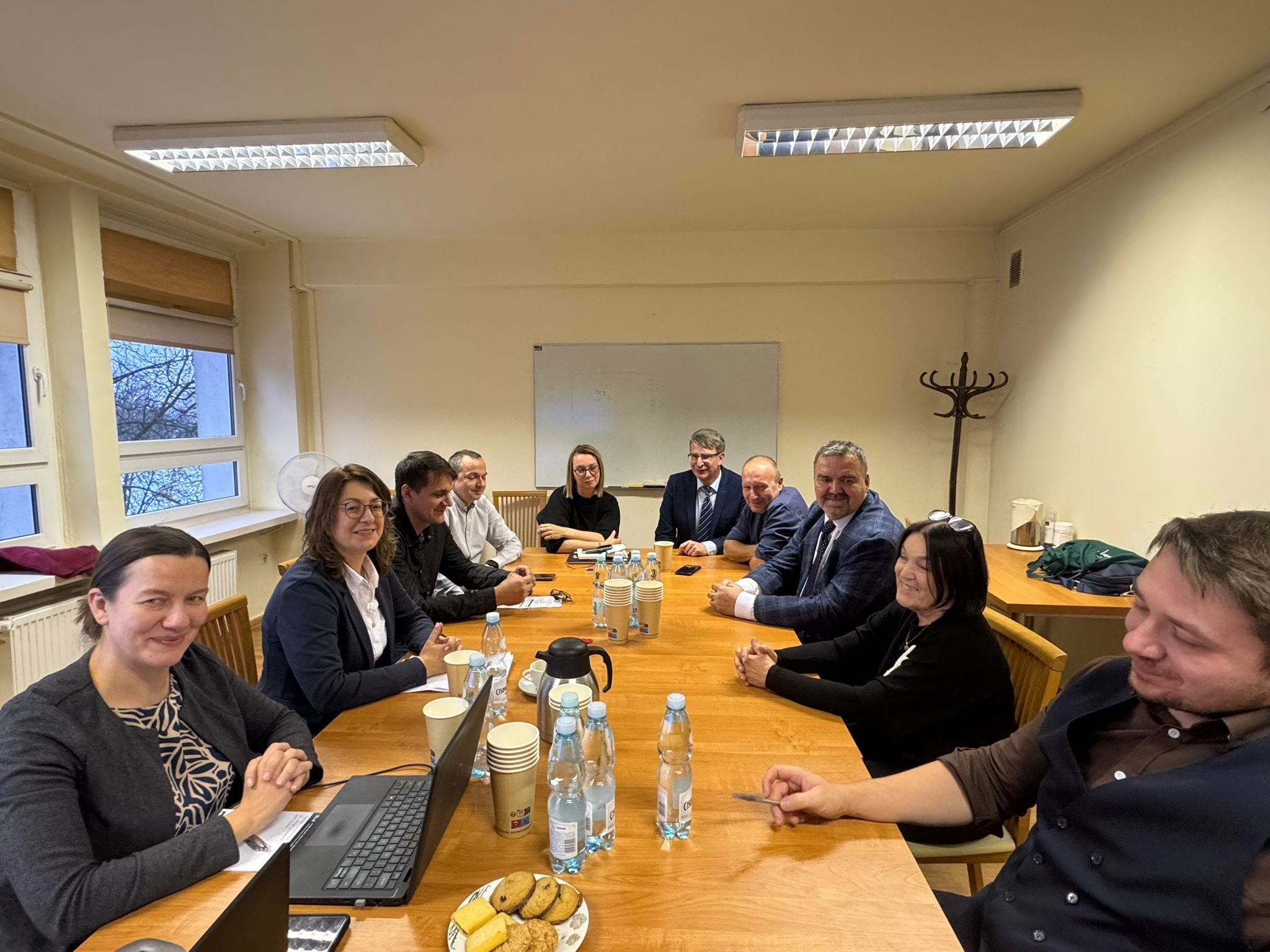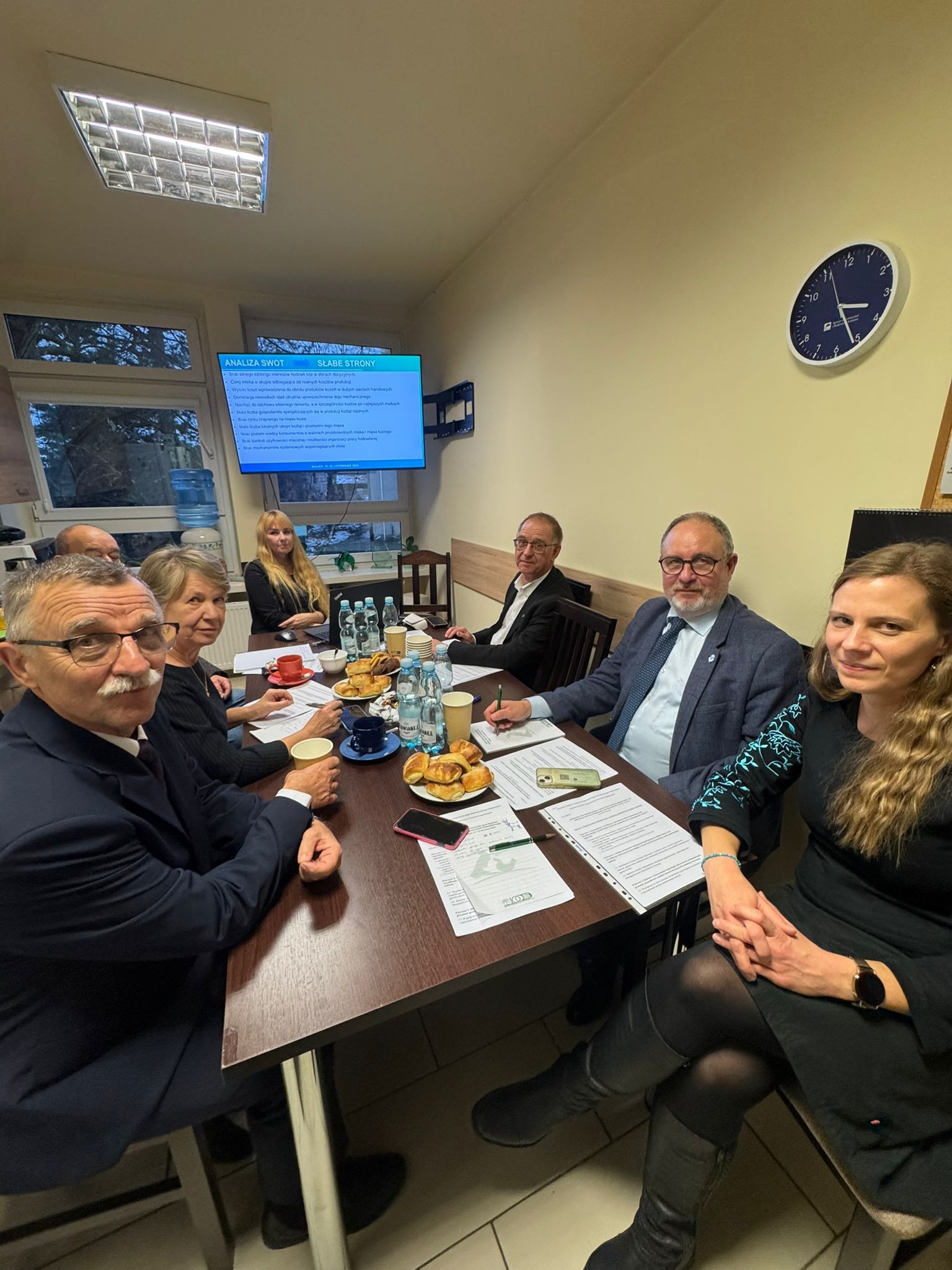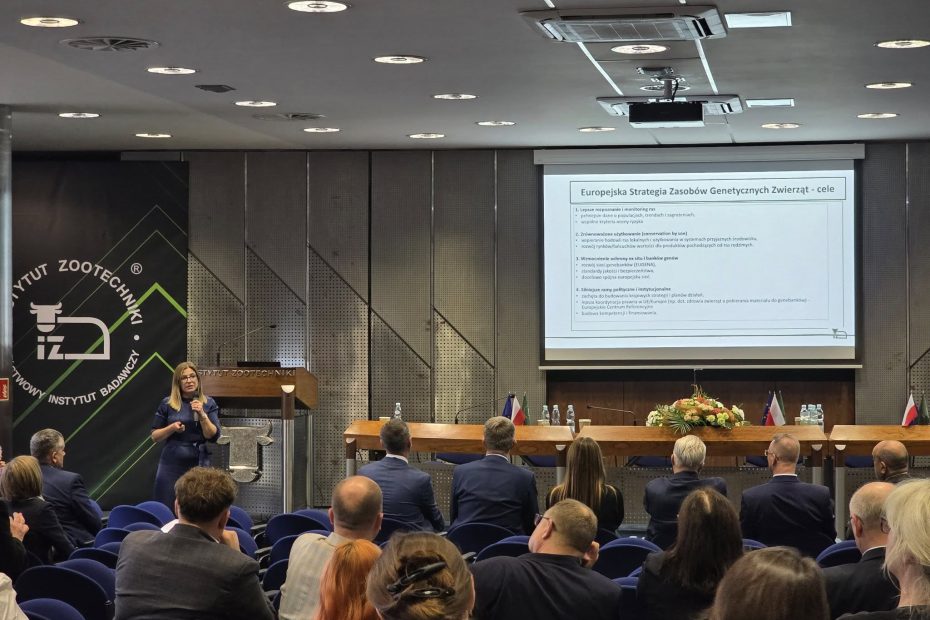
On 25–26 November, the National Research Institute of Animal Production in Balice hosted a nationwide conference entitled “Sustainable use of animal genetic resources – status, challenges, prospects – update of the National Strategy for the Sustainable Use and Conservation of Farm Animal Genetic Resources”.
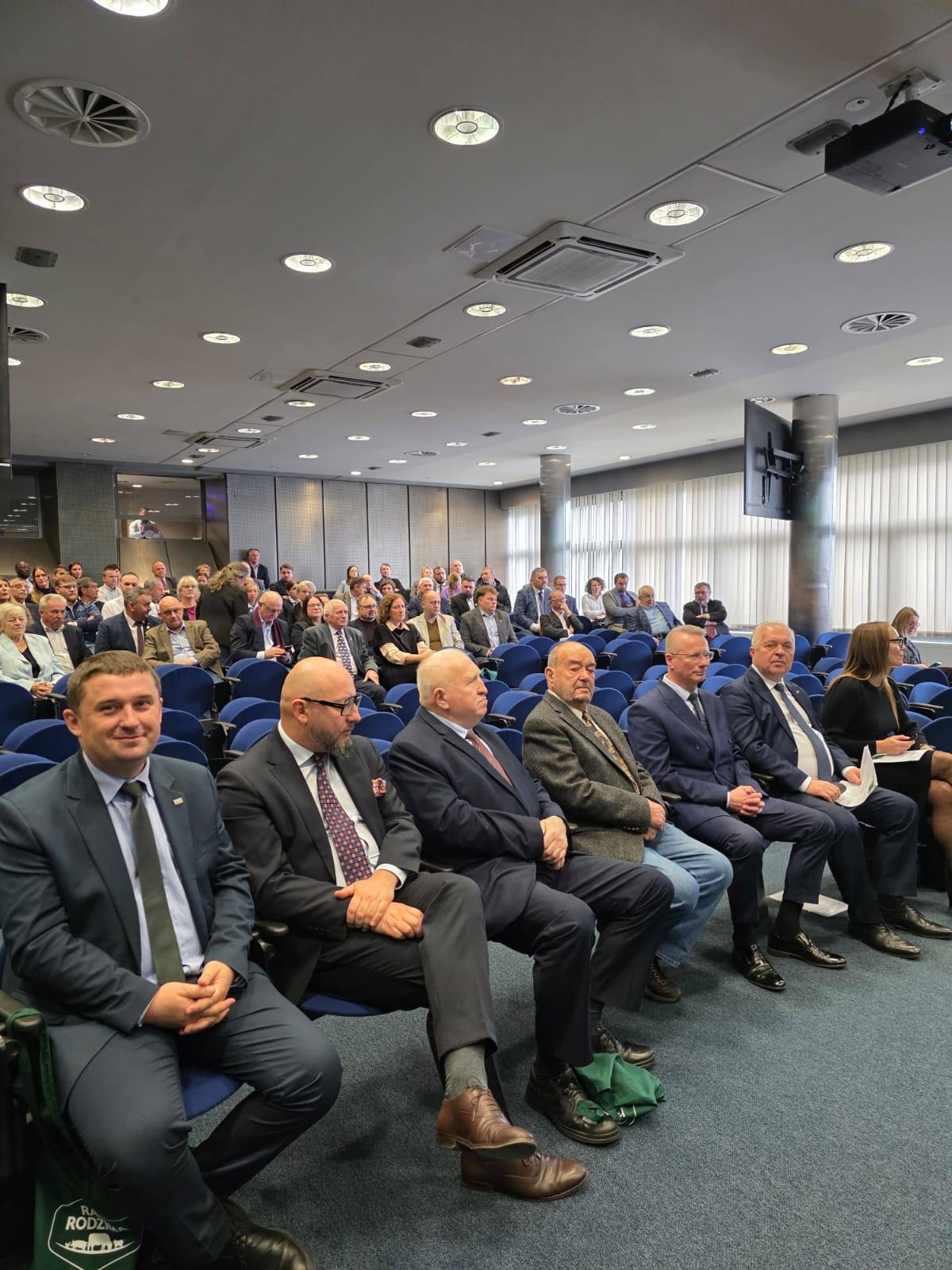
The aim of the meeting was to summarize the implementation of the National Strategy for 2013–2025 and to begin work on updating it for the period 2026–2035. Experts from research centres and the breeding industry came to the Institute. Representatives of breeding associations and agriculture-related organizations were also present. Together, they discussed threats and problems in individual species and set directions for further action.
The event was also attended by foreign guests from Norway, Germany, and Spain, who cooperate with the Institute within the European Regional Focal Point for Animal Genetic Resources (ERFP).
The current Strategy was developed at the National Research Institute of Animal Production in 2011–2013 under the supervision of the Coordination Team for the Conservation of Animal Genetic Resources. The document concerns the protection and sustainable use of both native breeds threatened with extinction and other national and international breeds important for intensive production. It also emphasizes the need to preserve their genetic diversity. The Strategy, prepared in accordance with FAO guidelines, covers 15 priorities in four thematic areas. The document includes a total of 48 measures considered key to improving and protecting the national genetic base.
On the first day, Jacek Czerniak, Secretary of State at the Ministry of Agriculture and Rural Development, presented the links between the Strategy and other national and international documents. He reminded the audience that protecting biodiversity is not only a matter of preserving our heritage, but also an element of building the future of agriculture. Next, Prof. Zbigniew Karaczun from the Warsaw University of Life Sciences discussed the threats to modern breeding resulting from climate change.
Agnieszka Chełmińska, PhD Eng., summarized the implementation of the Strategy in 2013–2025. Ewa Sosin, PhD Eng., as National Coordinator for Animal Genetic Resources, presented proposals for new priorities and a schedule for updating the document. She invited species Working Groups to jointly develop priorities and an Action Plan. She also pointed out the need for better coordination of individual areas in the coming years.
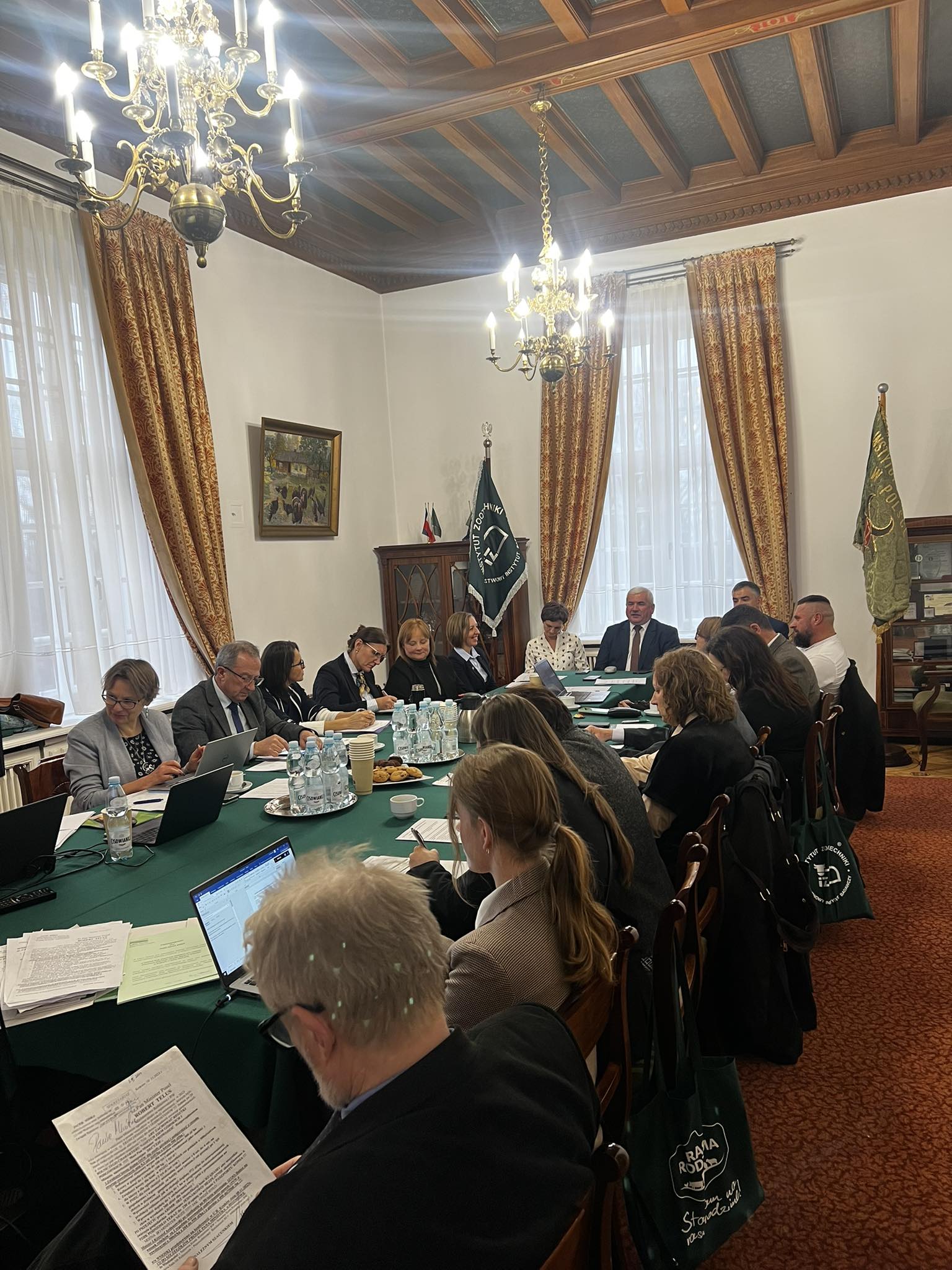
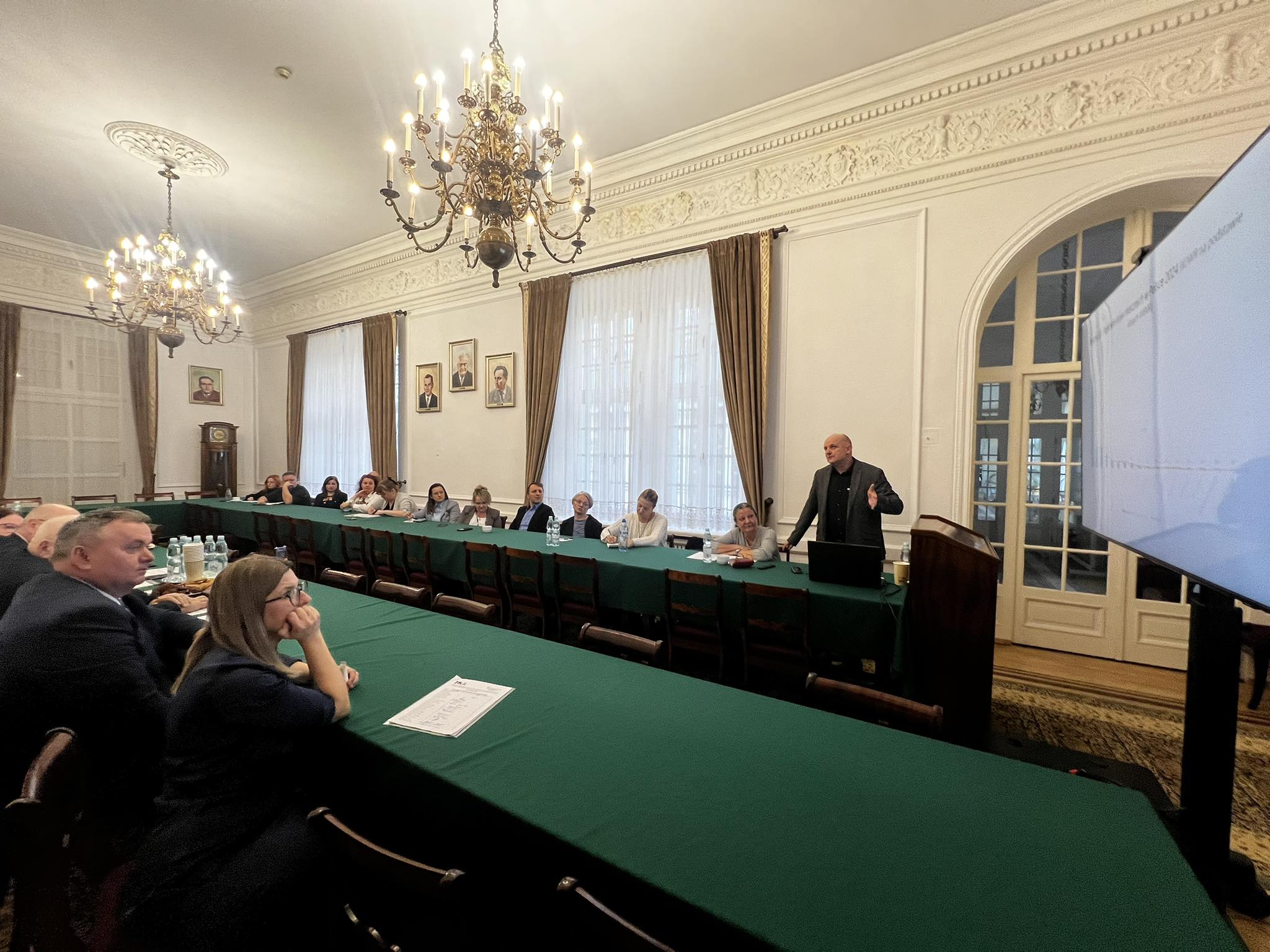
The rest of the day took the form of extraordinary meetings of the Working Groups. Trends and threats were analysed and problems in individual species were discussed. Preliminary recommendations for livestock breeding were developed and changes to the proposed priorities were suggested.
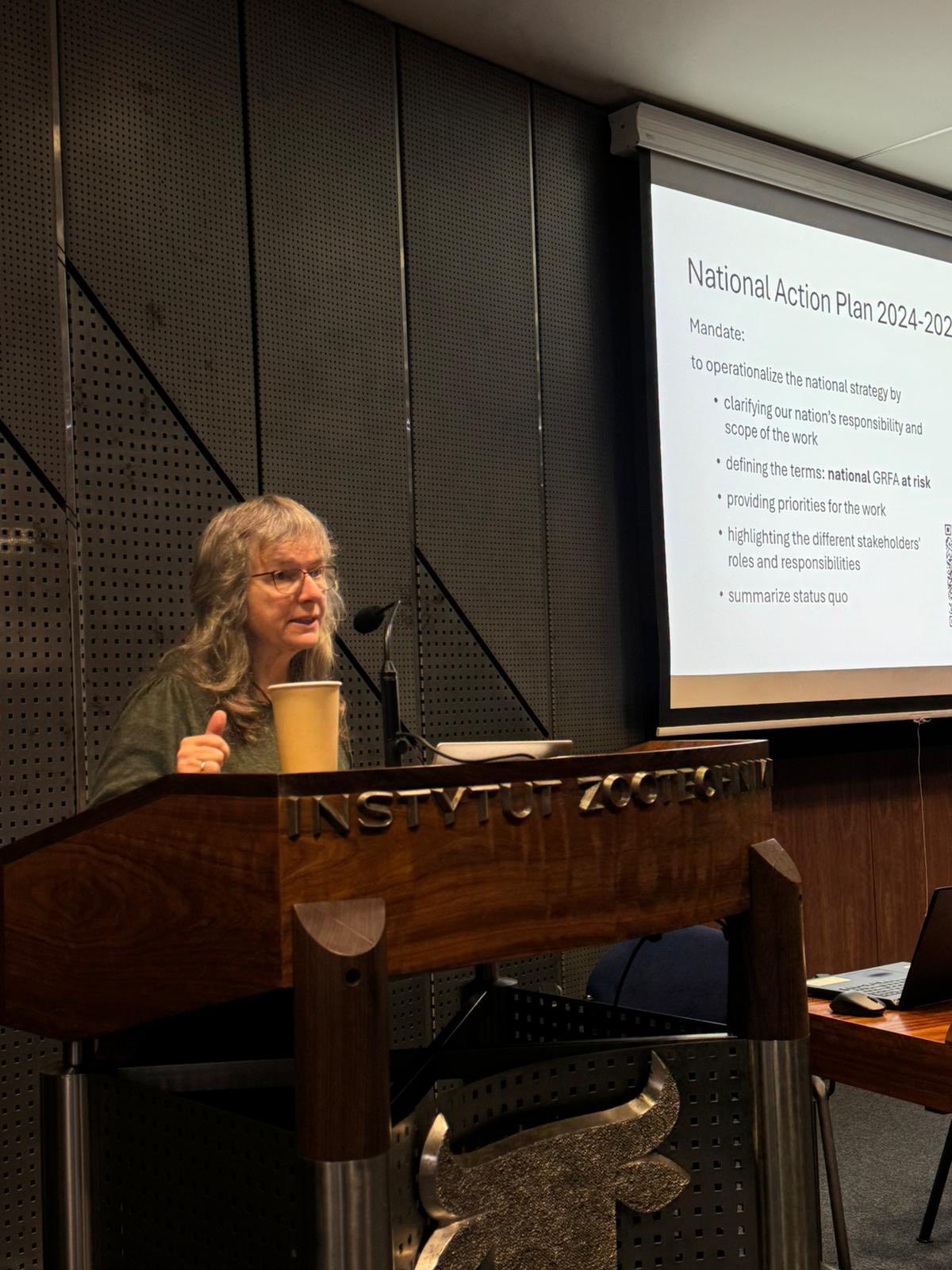
On the second day, speakers from Norway (Nina Svartedal), Germany (Holger Göderz), and Spain (Fernando Tejerina) presented solutions used in their countries. Among other things, they discussed Norway’s integrated strategy for the conservation of genetic resources, measures combining in situ and ex situ conservation in Germany, and systems facilitating the banking of material from native breeds in Spain. Fernando Tejerina’s lecture on programmes promoting products and conservation breeds in Spain also aroused great interest.
In summarizing the conference, it was emphasized that the updated Strategy should respond to the challenges of climate change, infectious disease threats, environmental degradation, and public acceptance. It is also important to strengthen food security while maintaining a rich gene pool and sustainable animal use.
At the end, the organizers thanked all participants for their active participation and substantive discussions, and foreign speakers – cooperating with the Institute as part of the European Regional Focal Point (ERFP) – for their valuable experiences and inspiring examples of solutions implemented in other countries.